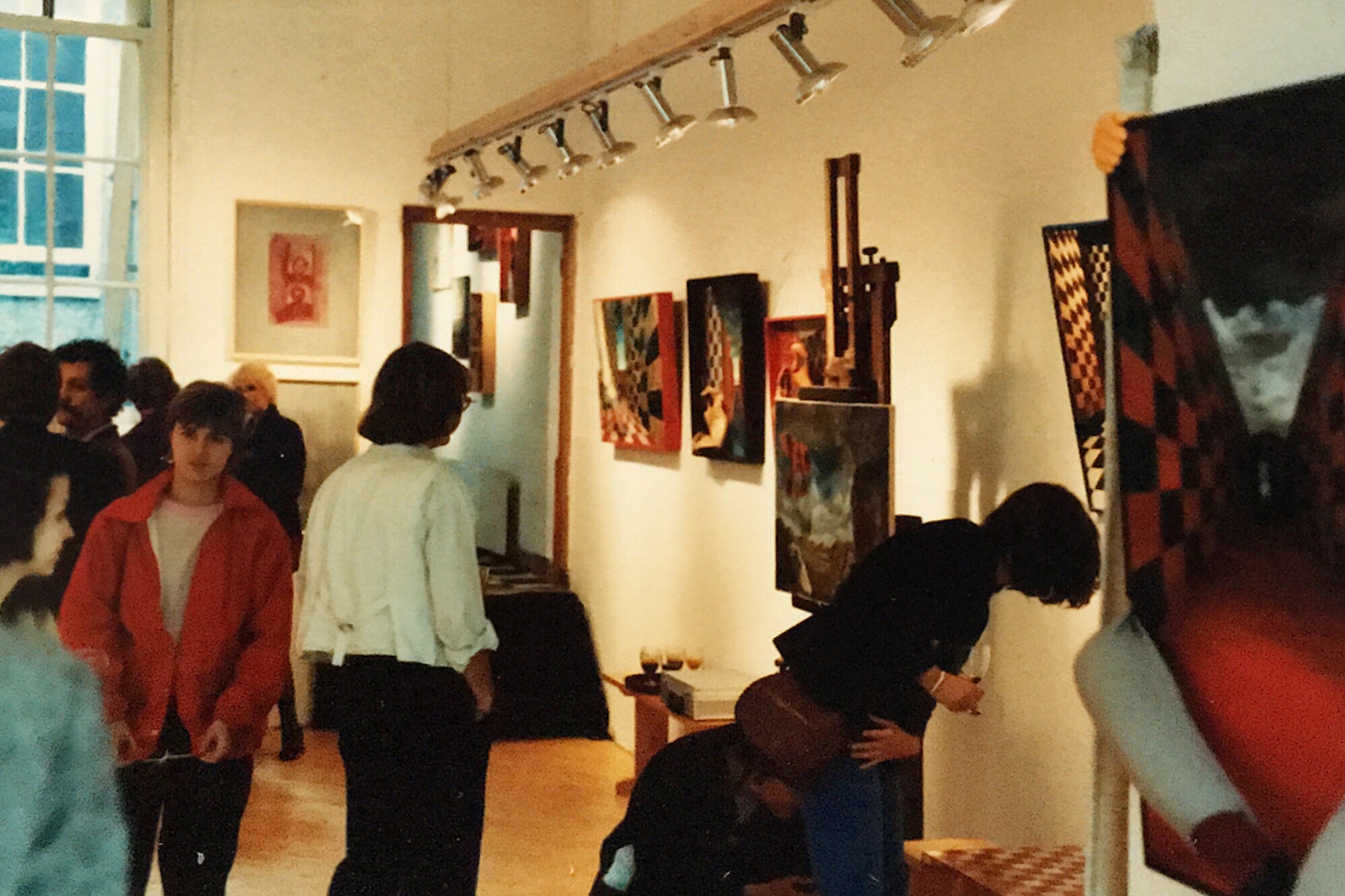
Galerie Frédéric — Amsterdam, Summer 1982
David Udbjorg & Poul Jupont, Brouwersgracht 78
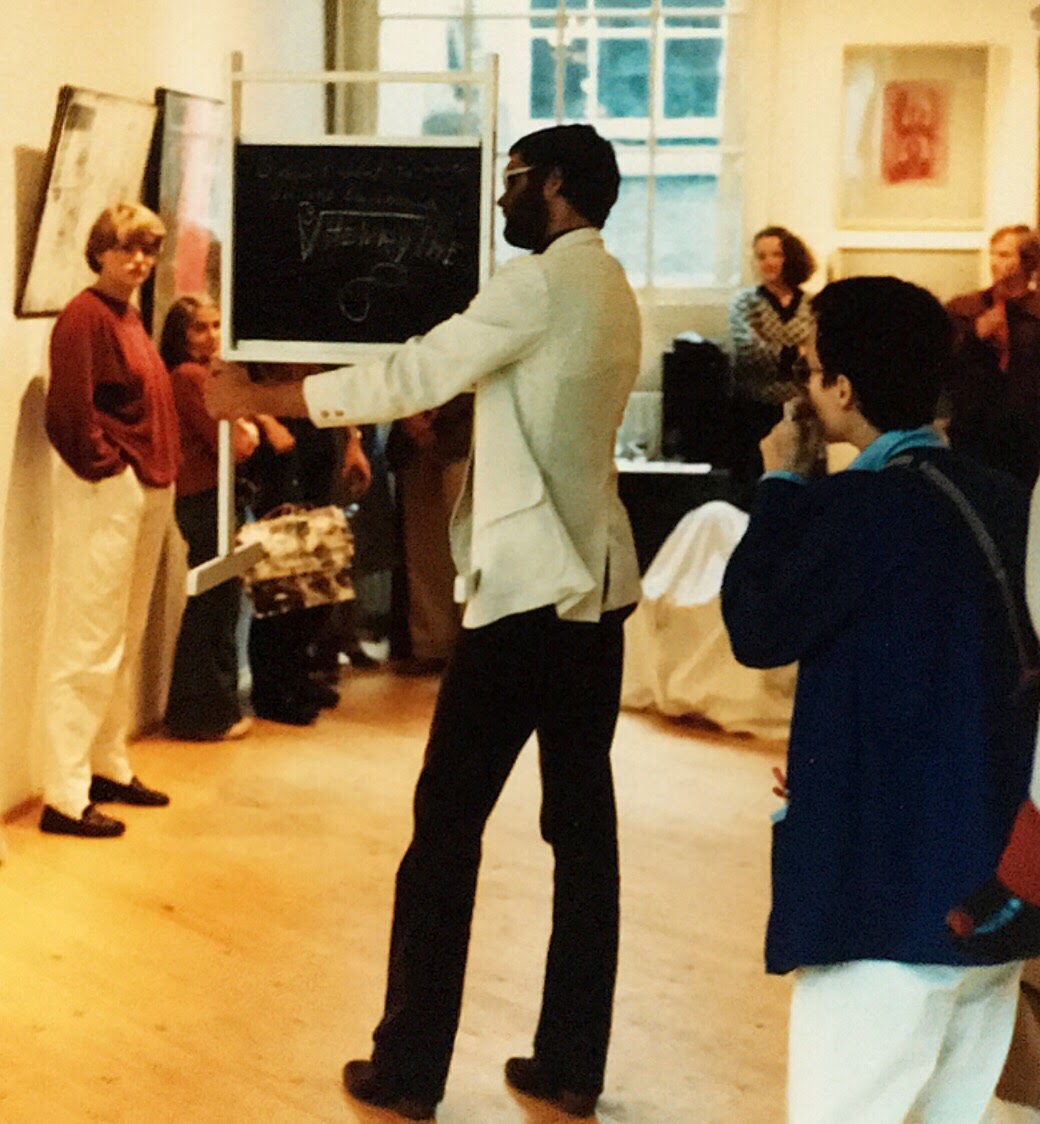
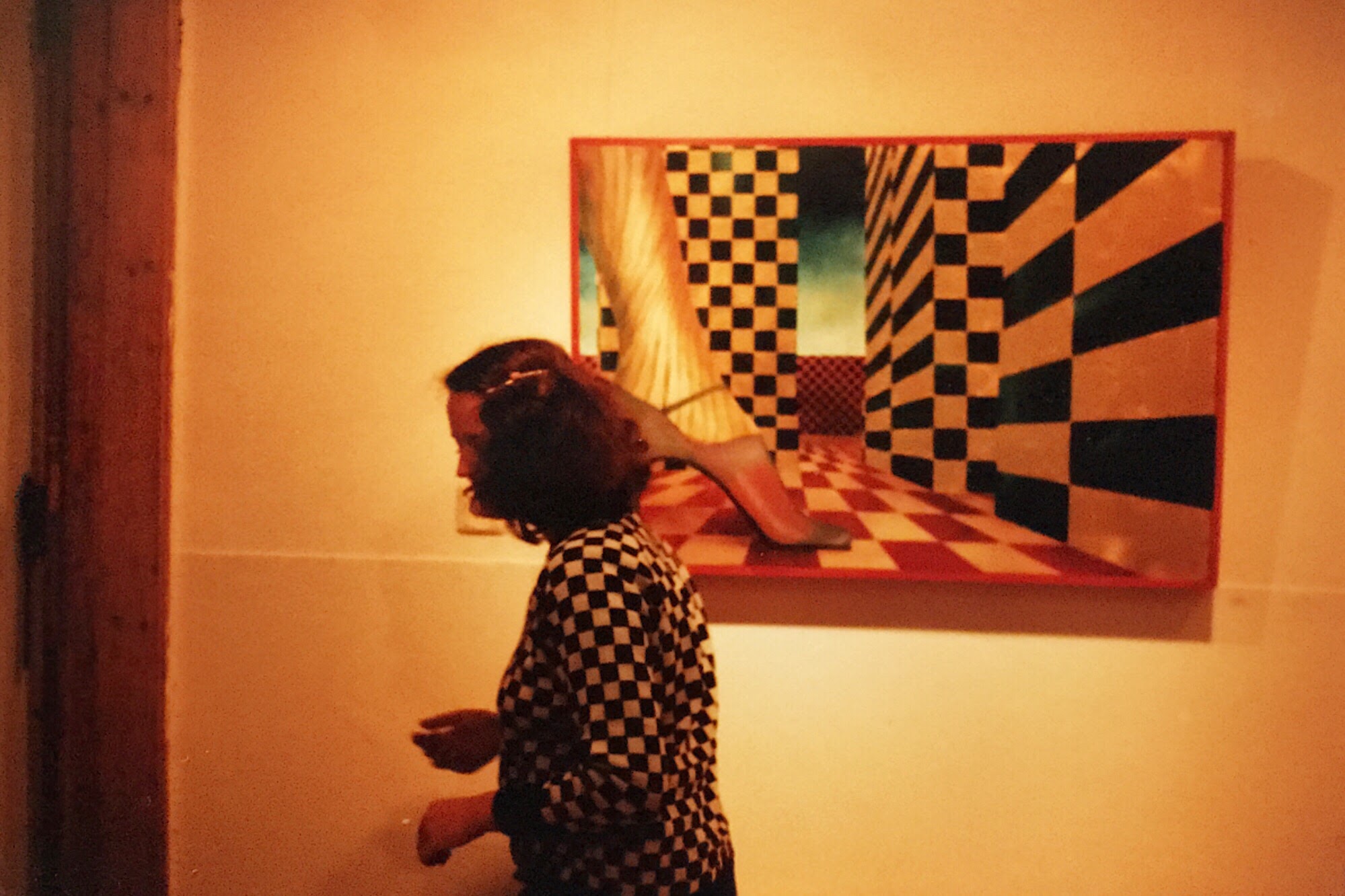
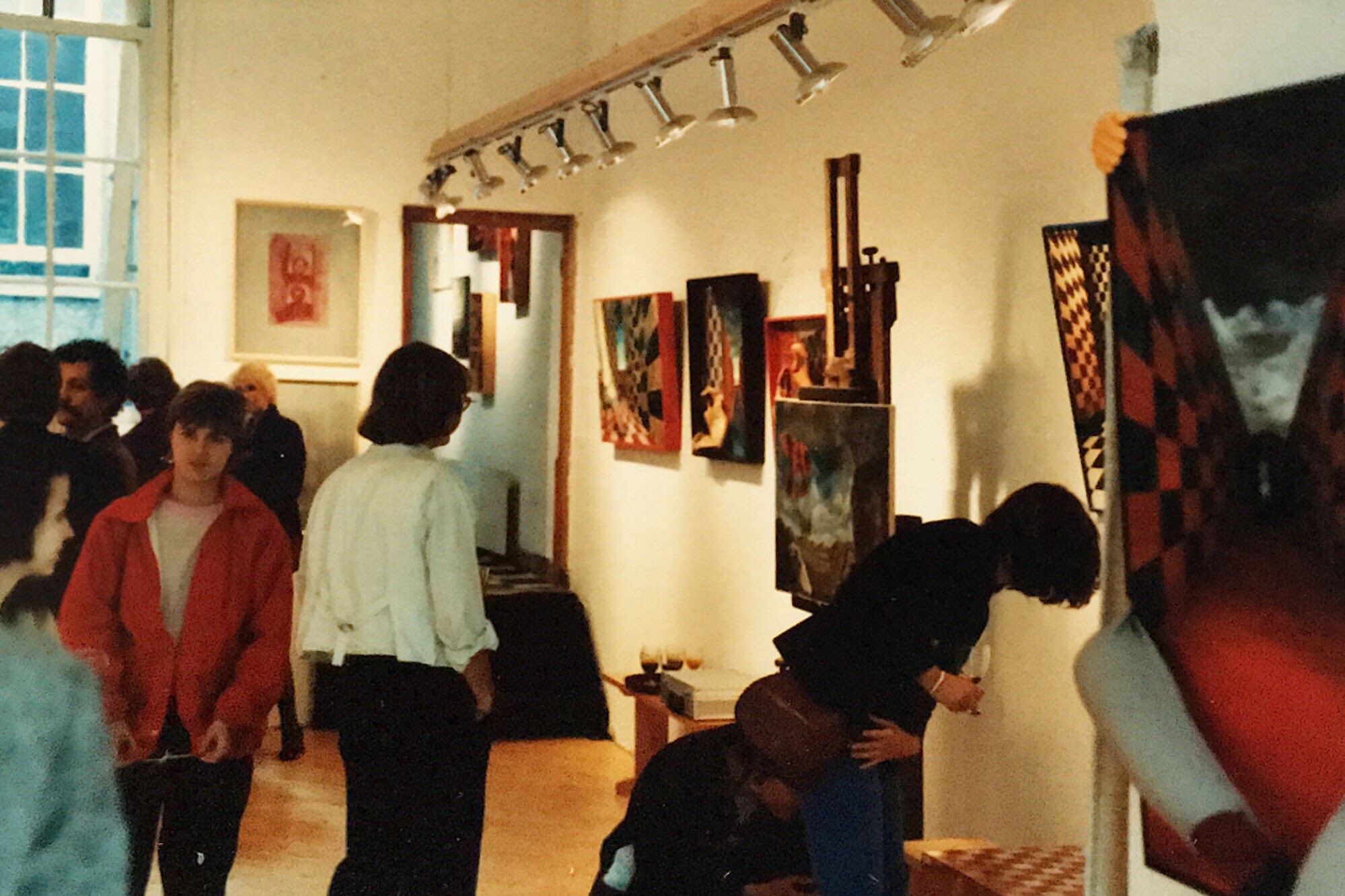
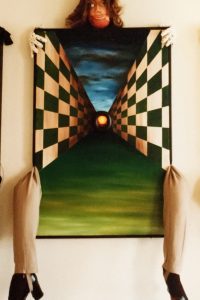
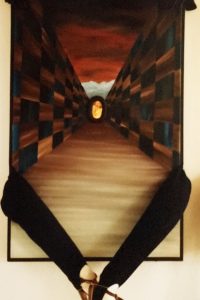
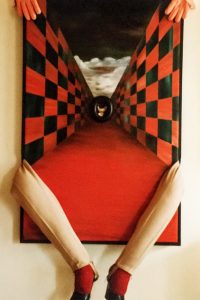
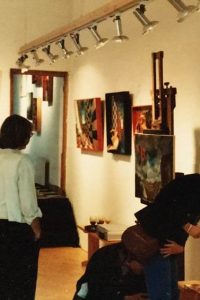
In the intimate rooms of Galerie Frédéric, a clear dialogue unfolded between two temperaments. Poul Jupont brought the room a surge of graphic urgency, large, fast drawings and raw, figural improvisations that wore their process on the surface. His line is wilful and bodily; images flash up and mutate, as if caught mid-breath. The work’s force comes less from polish than from pressure: an insistence on immediacy that situates him squarely within the wild, post-’70s current that challenged Danish pictorial decorum in the early 1980s.
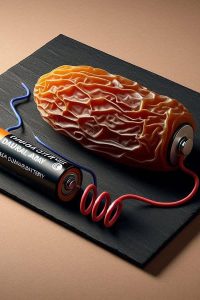
Opposite this, David Udbjorg treated the gallery as a provisional laboratory. His edible “electric prunes”, AA batteries wired to pin electrodes so that a faint thread of smoke lifted when contacts neared, read as social sculpture with a charge of slapstick: appetite, voltage and risk sharing a single bite. Nearby, a model train looped through a mirrored box, an inexpensive infinity machine and a dry joke about speed, spectacle and self-regard. Neither piece claimed sculptural sanctity; both made curiosity the medium and audience behavior the motor.
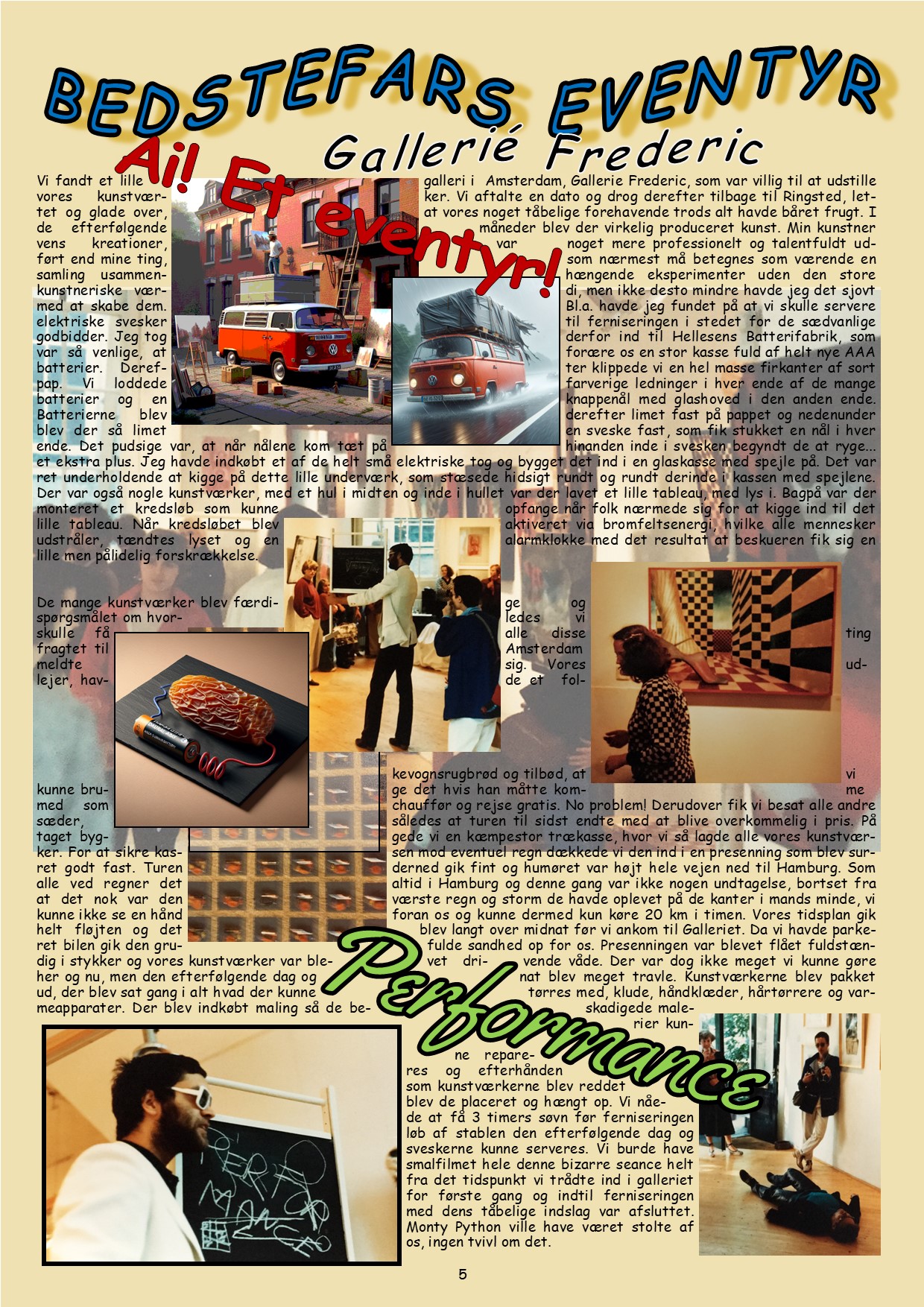
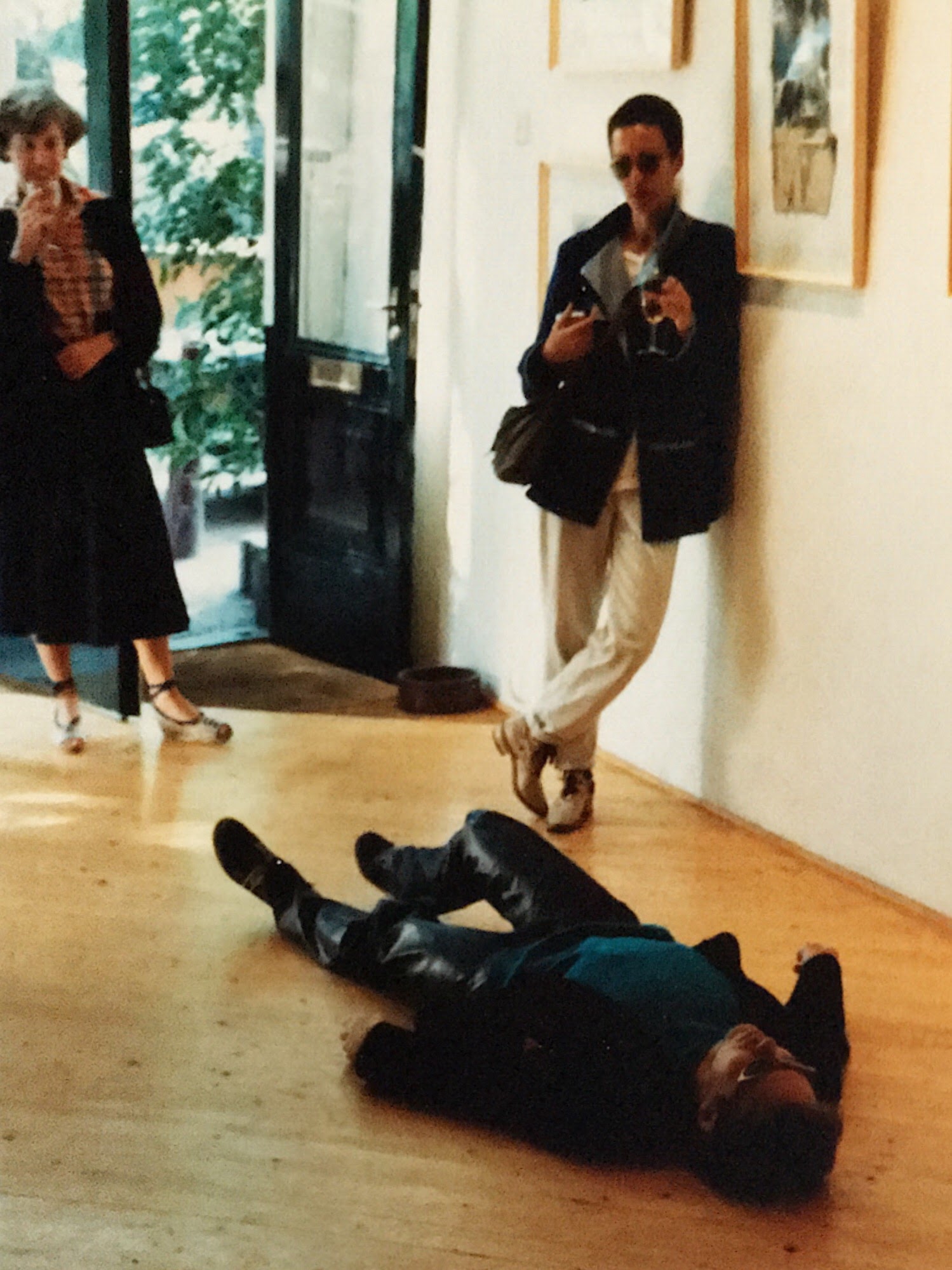
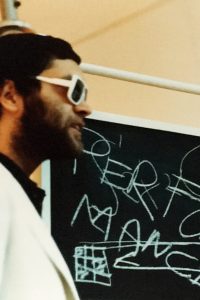
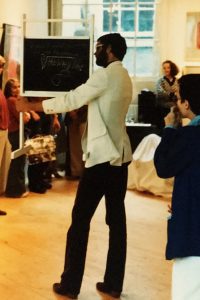
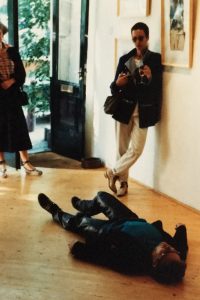
A chalkboard with “PERFORMANCE” scrawled across it set the tone for a space that refused to decide whether it was exhibition, workshop or stage. Visitors leaned in until alarms chirped; children traced reflections; passers-by paused at the open canal door and drifted inside. Participation here was not add-on entertainment but the show’s grammar: proximity completed circuits, attention completed images.
Contingency, always the third collaborator, wrote its own preface. A Hamburg storm shredded the tarpaulin protecting the rooftop crate that carried the works; the artists arrived after midnight with a drenched cargo. What might have been disaster became an auxiliary performance: a sleepless triage of drying, repainting and re-wiring that left faint residues, warps, reinstated skins, echoing Jupont’s insurgent mark-making and Udbjorg’s bricolage ethos. Process didn’t just precede the exhibition; it permeated it.
Credit to Galerie Frédéric for allowing risk without swagger. In these rooms, Jupont’s pressure-cooked draftsmanship grounded the eye while Udbjorg’s speculative devices loosened the body. Between them, image conversed with event, drawing with device, bravura with wit. Seen now, the Brouwersgracht summer reads as a small but emblematic Amsterdam moment: hospitable, inventive, a little anarchic, and alive to the hum that occurs when art, audience and accident share the same current.