Conceptual Genesis
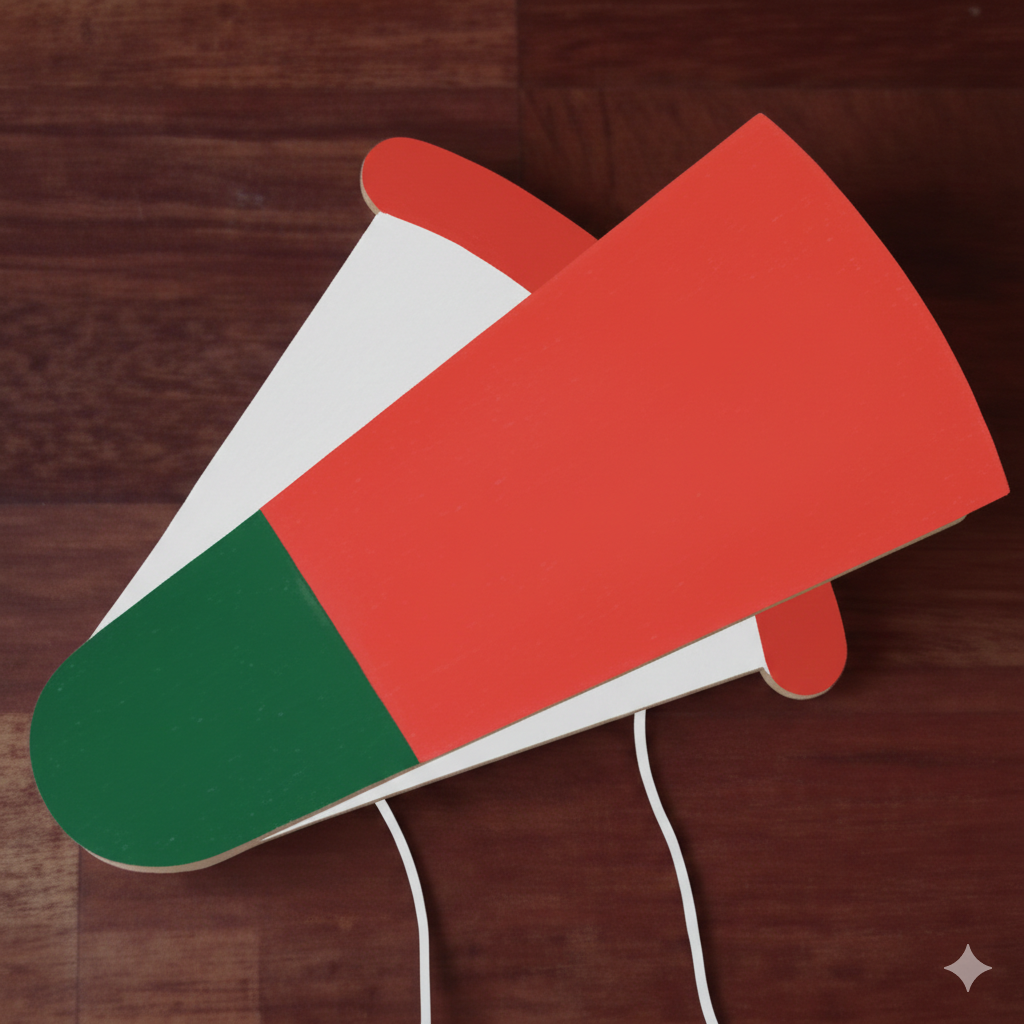
During the mid-1990s, my creative output was defined by a wide array of systems ranging from modular container-based housing to digital reservation infrastructures. Among these, the Foot-Operated Pointing Device emerged as a solution to a specific ergonomic inefficiency. I found the constant movement of the hands from the keyboard to the mouse to be a recurring disruption in workflow—a cumulative loss of time and focus. While existing market versions utilized a dual-pedal system reminiscent of an automobile, I envisioned a more elegant, single-pedal interface capable of multi-axis control.
Engineering the Prototype
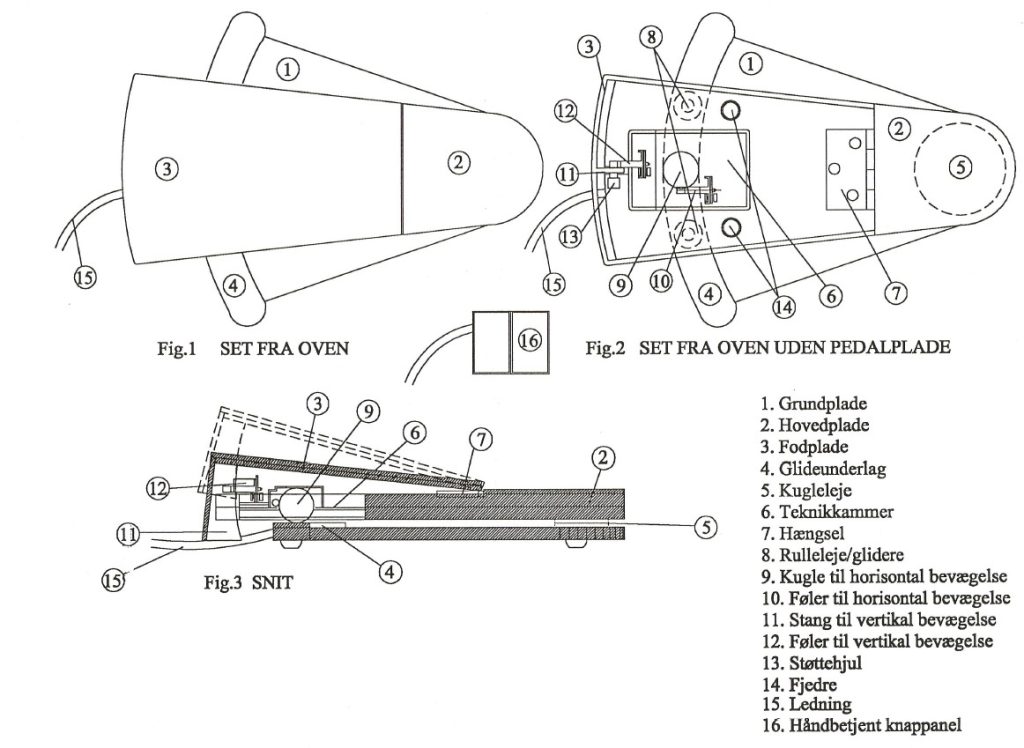
The transition from theory to hardware required a hands-on analytical approach. I began by dismantling a standard mouse to study its internal sensor mechanics, which provided the blueprint for my design. Using a combination of plexiglass in varying thicknesses, precision springs, and rollers, I fabricated a housing with a dedicated vertical and horizontal tilt. The final assembly was achieved using a jigsaw, a router, and a significant amount of iterative testing. To finalize the system, I reconfigured the keyboard to map clicking actions to specific keys, ensuring that the hands never had to leave the home row. The result was a functional prototype that offered surprising precision after a short period of calibration.
The Patent Pursuit in Copenhagen
Lacking the capital for professional legal representation, I undertook the patent research independently. I spent three days immersed in the archives of the Danish Patent Office in Copenhagen, scrutinizing both digital records and physical hardcopies. When my search yielded no comparable devices, I drafted the formal application and technical drawings myself. After paying the 3.500 Dkr filing fee, I secured a “Patent Pending” status and began a targeted outreach campaign to industry leaders, including Cisco, Logitech, and Microsoft.
The Microsoft Negotiation
The project reached its most significant milestone when I received a direct call from the Director of Technical Development at Microsoft. He expressed a genuine interest in the device but presented a significant corporate hurdle: Microsoft’s refusal to sign a Non-Disclosure Agreement due to the sheer scale of their internal operations. This created a profound dilemma between the desire for collaboration and the need for intellectual protection. Fearing the loss of my concept before the patent was finalized, I chose to halt the conversation until the patent was fully granted—a decision that would ultimately redefine my understanding of the industry.
Final Discovery and Reflection
Eighteen months later, the Danish Patent Office formally declined the application. Their research had uncovered a previously filed patent from a dentist in Japan who had developed a nearly identical device to keep his hands free during medical procedures. This was a classic instance of convergent evolution, where two individuals independently arrived at the same solution for different professional needs. In retrospect, the lesson was clear: a patent is only one tool in a larger strategic arsenal. Had I leveraged Microsoft’s legal and technical resources early on, the outcome might have been a collaborative success rather than a solo discovery of existing art.